
How to Choose the Right Roller Shade Fabric
Who This Is For
If you are standing in a room wondering why the roller shades you ordered online look nothing like what you had in mind, this guide is for you. If you are about to invest in new window treatments and you want to get it right the first time, this is also for you. Choosing roller shade fabric is not complicated when you know what to look for. But most homeowners do not know what to look for, and they pay for it in wasted money, rooms that feel wrong, and shades they never quite love.
The Problem Nobody Warns You About
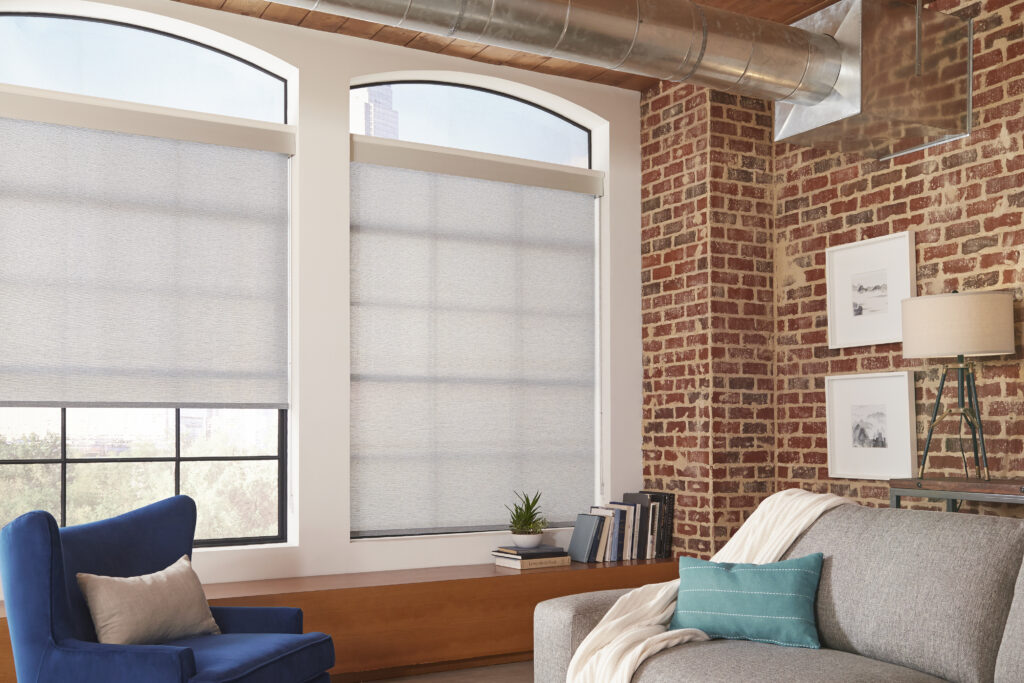
Roller shades look simple. That is part of the appeal. Clean lines. Minimal profile. Effortless operation. But the fabric you choose determines almost everything: how much light enters the room, how much heat you feel near the windows, how much of your view you keep, and how the entire room feels at different times of day.
Pick the wrong fabric and you get a bedroom that never feels dark enough to sleep in. A living room that glares on the television every afternoon. A kitchen that feels cold and industrial instead of warm and inviting.
The shade itself is not the problem. The fabric choice is.
The Three Things That Actually Matter
Before you look at colors or textures, understand the three functional variables that should drive every fabric decision.
1. Opacity
Opacity refers to how much light a fabric allows through. There are four categories:
Sheer fabrics (0 to 1 percent openness) allow soft, diffused light through while maintaining a view of the outdoors during the day. They are beautiful in living rooms and dining areas where you want natural light without glare.
Light-filtering fabrics reduce harsh light and UV rays without blocking the view entirely. These work well in common areas where you want warmth and ambiance without the room going dark.
Room-darkening fabrics block the majority of light and are ideal for bedrooms, media rooms, or home offices where screen glare is an issue. They are not completely blackout, but they significantly reduce brightness.
Blackout fabrics eliminate nearly all incoming light. These are the right choice for nurseries, primary bedrooms, and anyone who works night shifts and sleeps during the day.
In Bridgeland and Cypress TX, where afternoon sun comes in strong from the west, blackout and room-darkening fabrics in west-facing rooms are one of the most practical investments you can make.
2. Material and Texture
The material affects both function and aesthetics. Here is a simplified breakdown:
Solar screen fabrics protect against UV rays and heat gain while preserving outward views. They are practical and versatile, and they work in almost any room.
Natural woven materials like linen blends bring warmth and texture to a space. They complement organic, layered interiors and photograph beautifully. The trade-off is that they are not as precise in their light control as synthetic options.
Performance fabrics are engineered for durability, moisture resistance, and ease of cleaning. These are ideal for kitchens, bathrooms, and high-traffic areas in family homes.
3. Color Value
Light colors reflect sunlight back out of the room, keeping the space cooler and brighter. Dark colors absorb light and create a moodier, more cocoon-like atmosphere. Neutral midtones are the easiest to work with because they adapt across lighting conditions.
One thing most people miss: the color of a roller shade shifts depending on whether light is coming through it or reflecting off it. Always look at fabric samples in the actual room at different times of day before you commit.
How to Match Fabric to Room
Primary bedroom: blackout or room-darkening, in a neutral or warm tone. Sleep quality depends on it.
Living room: light-filtering or solar screen, especially on south and west-facing windows. You want flexibility, not darkness.
Home office: solar screen or room-darkening depending on your monitor placement and the direction your windows face.
Kitchen and bathrooms: performance fabric that wipes clean. Humidity resistance matters more than people expect.
Children’s rooms and nurseries: blackout, full stop. And choose a fabric that can be cleaned without professional care.
Why a Consultation Changes Everything
You can read every guide online and still get it wrong, because fabric selection is partly about the room you have in front of you. The ceiling height, the floor material, the direction the windows face, the color of the walls, and the other textiles already in the space all affect which fabric will actually look the way you want it to look.
That is what a professional consultation is for. At Bridgeland Blinds and Shutters, we do not hand you a swatch book and send you home to figure it out. We visit your space, assess the light, understand how you use the room, and recommend fabrics that will perform and look exactly right.
Bridgeland homeowners trust us because we have done this work in their neighborhoods, in homes like theirs, with the same afternoon sun angles and the same architectural details. We know what works here.
The Right Fabric Is Not a Guess
The difference between a roller shade that transforms a room and one that just covers a window comes down to fabric. It is not a small decision dressed up as a simple one. It is a design decision that affects how your home looks and feels every day.
Get it right the first time.
Book a free in-home consultation with Bridgeland Blinds and Shutters and let us help you choose with confidence.